
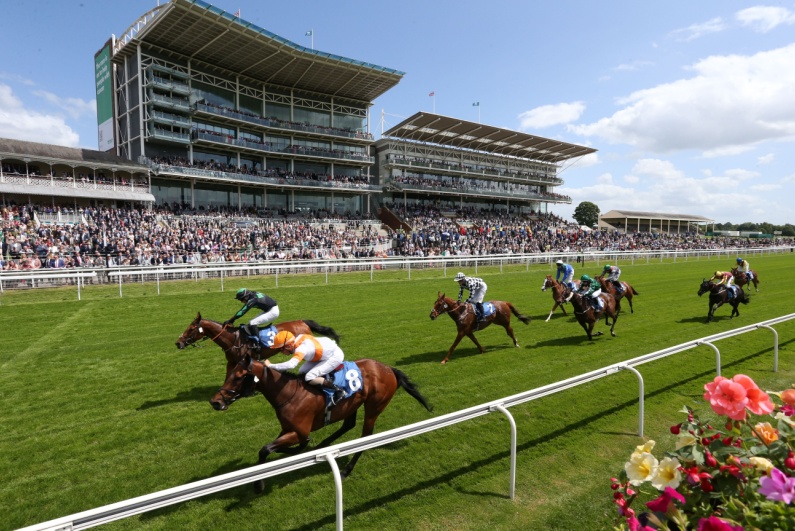
Horse racing in the UK is a beloved sport, steeped in history and tradition. While the spotlight shines brightly on race days with their cheering crowds and thundering hooves, there exists an entire universe of activities and stories that unfold when the track is empty. This article will delve into the unseen world of UK horse racing—a realm not characterized by the excitement of betting and rivalry, but rather, one filled with dedication, craftsmanship, and the passionate commitment of countless individuals. For more insights, make sure to check out UK Horse Racing Not on GamStop www.unitedkingdomlovers.uk.
A History Steeped in Elegance
Horse racing has been a cornerstone of British culture since the Roman era. The first organized racing event is thought to have occurred in the early 16th century. However, it was in the 18th century that horse racing became a significant spectator sport, with royal patronage paving the way for its popularity. The establishment of the Jockey Club in 1750 set the standards for racing, ensuring fair play and the preservation of the sport’s integrity. This period marked the emergence of several renowned racecourses, such as Newmarket and Ascot.
The Importance of Training and Care
When not on the tracks, the focus shifts to the meticulous care and training of these magnificent animals. Training involves not only physical conditioning but also building a trusting relationship between the horse and rider. This bond is essential for success, as the horse must respond to the jockey’s commands seamlessly. A typical day for a racehorse can include early morning gallops, followed by exercise routines tailored to enhance their speed, stamina, and agility.

Moreover, nutrition plays a pivotal role in a horse’s performance. Trainers and owners invest significant resources into ensuring that their horses receive balanced diets rich in vitamins and minerals. Specialized feeds are formulated to cater to the horse’s specific needs, depending on their age, breed, and training regimen. Caretakers are tasked with monitoring the horses’ health, making regular veterinary visits critical to detecting any potential issues before they escalate.

Behind the Scenes: Breeding and Bloodlines
Successful racehorses often come from a lineage of champions. Breeding is an intricate science that seeks to combine favorable traits from both parents. The role of breeders is vital in shaping a racehorse’s potential, with factors such as temperament, agility, and speed assessed in potential breeding pairs. The famous Darley Arabian and other foundation sires have left an indelible mark on the bloodlines we see in the racing world today.
Stud farms play a crucial role in this process, acting as breeding grounds where elite mares and stallions are paired to produce the next generation of thoroughbreds. The selection process is far from arbitrary; breeders use historical performance data, pedigree analysis, and genetic testing to make informed decisions. The hopes of the racing community often rest on the shoulders of these young, untested foals.
The Role of Racing Partnerships and Ownership
Ownership of racehorses can take on many forms, with partnerships offering a way for enthusiasts to share in the excitement without requiring a significant financial commitment. Racing partnerships allow individuals to pool resources, sharing both the joys of ownership and the burdens of expenses. This model promotes a sense of community among owners and can lead to thrilling experiences on race day.
However, being a racehorse owner is not just about glory. It involves navigating the complexities of horse management, including training costs, veterinary bills, and upkeep. Many owners become deeply involved in each step of the process, from selecting a horse to witnessing its growth and development. The emotional connection often fosters a lasting bond between owner and horse, transcending the mere objective of winning races.
Events Beyond Racing: The Social Aspect
While the races are undoubtedly exciting, there is a vibrant social scene surrounding UK horse racing. Events such as race meets, charity balls, and festivals provide avenues for fans to connect beyond the track. These occasions offer opportunities to network, socialize, and support various charitable causes prevalent in the racing community.
The glamour associated with attending race days adds to the allure of the sport. Owners often host guests in exclusive hospitality areas, while spectators sport extravagant hats and formal wear that add to the spectacle. Yet, the social aspect transcends appearances; it’s a gathering of passionate individuals who share a love for the sport, whether they come from a background of wealth or are simply fans enjoying the atmosphere.
Challenges Faced by the Industry
Despite its storied history and popularity, the racing industry is not without its challenges. Issues like animal welfare, gambling addiction, and the impact of climate change on race schedules have sparked discussions on how the sport can adapt and improve. The advent of technology and changing societal perceptions require the industry to evolve while maintaining its traditions.
Animal welfare is a particularly pressing concern, with organizations advocating for more humane treatment and regulations to protect racehorses. The debate surrounding this topic emphasizes the need for transparency and accountability within the industry, ensuring that the welfare of the horses remains paramount.
Community and Support Networks
Beyond the glamorous images associated with horse racing, there exists a supportive community that works tirelessly behind the scenes. From grooms, trainers, and owners to veterinary staff, the ecosystem is built on the collective effort of numerous individuals committed to the welfare of the horses. Various organizations provide resources and support to these communities, offering training programs, mental health resources, and financial assistance to help individuals navigate the challenges of the industry.
The development of scholarship programs for aspiring trainers, jockeys, and horse caretakers has also played a vital role in shaping the future of UK horse racing. By fostering the next generation of talent, the industry can ensure its longevity while remaining true to its roots.
Final Thoughts
The world of UK horse racing extends far beyond the excitement of race day. It encompasses a rich history, the dedication of countless individuals, and a commitment to excellence and care for these incredible animals. Recognizing the unseen aspects of this sport allows a deeper appreciation for its complexities and the countless stories that unfold off the tracks. As we reflect on the significance of horse racing, let us continue to champion the values of compassion, integrity, and community within this beloved sport, ensuring that it thrives for future generations.